

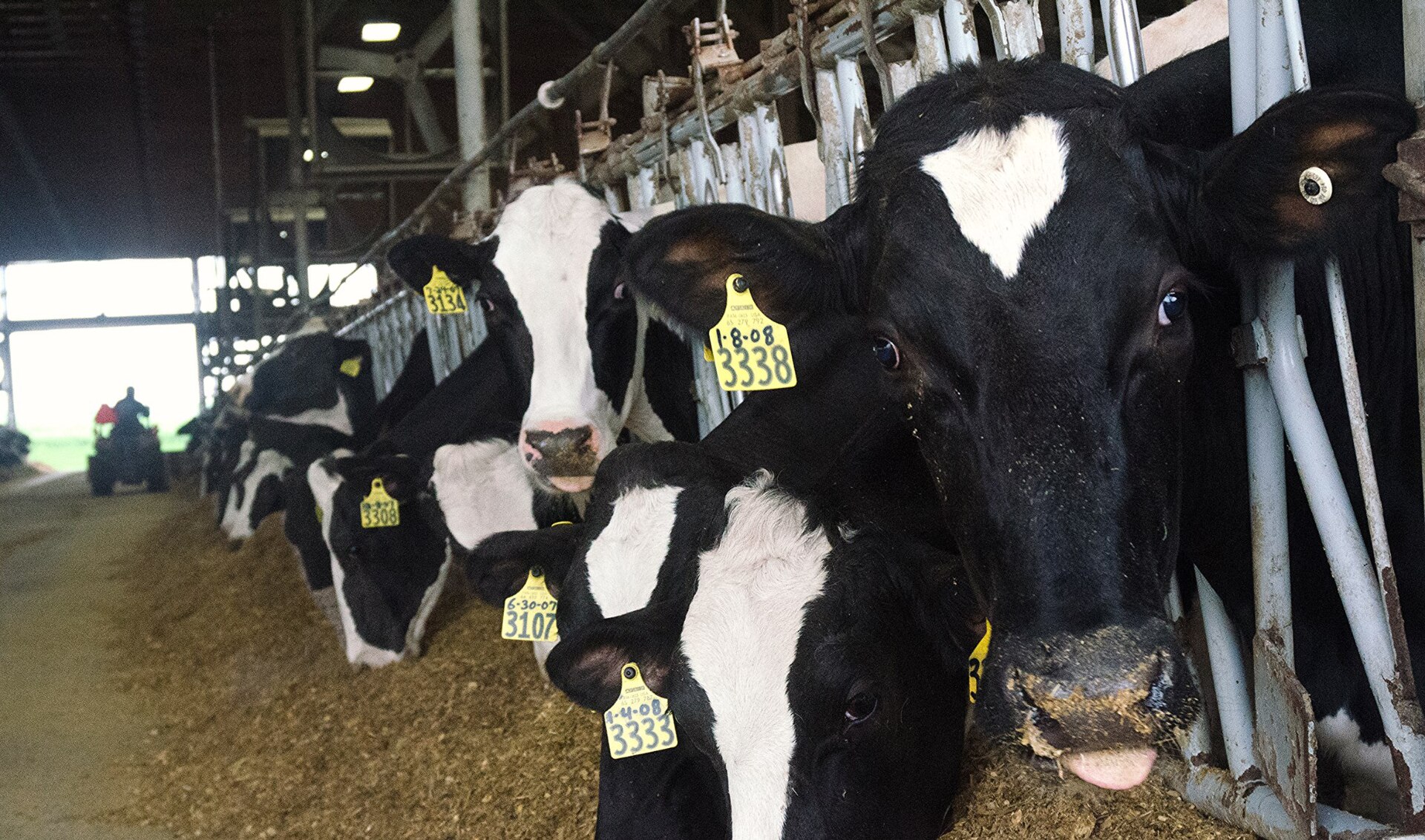
Feed is usually one of the largest costs on a livestock farm, and clean water is essential to animal health and performance. Choosing the right feeders and waterers helps reduce waste, saves labour and keeps your animals in good condition.
Choose feeders that reduce waste
Hay and silage that is trampled, soiled or blown away is money lost. Round bale feeders with a roof or a closed lower ring, and hay racks with suitable bar spacing, help keep forage off the ground. For concentrates, troughs with a raised lip or anti-waste design reduce spillage.
Allow enough feeding space
If space at the feeder is limited, dominant animals eat first and timid ones lose out. Plan enough trough or barrier length for the number and size of animals you are feeding, with extra allowance for horned stock or where all animals are fed at once.
Match the feeder to the species
- Cattle: round bale feeders, feed barriers and headlocks, ground or fence-line troughs
- Sheep and goats: lower troughs and hay racks sized to prevent animals climbing in or getting their heads caught
- Pigs: durable, easy-clean feeders that resist rooting and chewing
- Poultry: hanging or pan feeders adjusted to the height of the birds’ backs
Reliable access to clean water
Water needs vary widely with species, size, diet, weather and production. A lactating dairy cow, for example, can drink well over 100 litres a day in hot weather, far more than a dry beef animal. Make sure your water supply and trough capacity can keep up with peak demand.
Types of waterers
- Open troughs are simple and suit larger groups, but need regular cleaning
- Automatic float or valve waterers refill on demand and save labour
- Frost-resistant or insulated waterers help in cold climates
- Nipple and bell drinkers are widely used for poultry and pigs
Placement and hygiene
Place feeders and waterers on firm, well-drained ground to avoid mud and poaching. Keep water troughs away from feed areas where possible to reduce contamination, and clean them regularly to prevent algae and bacteria building up.
Browse our range in the shop, or email [email protected] if you would like help choosing the right equipment for your farm.


